
5 Unique Film Adaptations and What Sets Them Apart
By Tino Hluyo · · 8 min read
There's no one way to shape a piece of art into a filmic output meant for the eyes of its fans or a larger, general audience (or both for that matter).
To say there might be numerous ways would still be missing the point. It's infinite, with constant, fresh examples finding their way onto the silver screen.
We've picked five film adaptations, all different in their processes of development, to shed light on what's possible with source material. Besides that, we just want to add more films to your bloated Letterboxd watchlists.
Me and Earl and The Dying Girl (2015) Dir. Alfonso Gomez-Rejon
“You know I'm terminally awkward and I have a face like a little groundhog.”
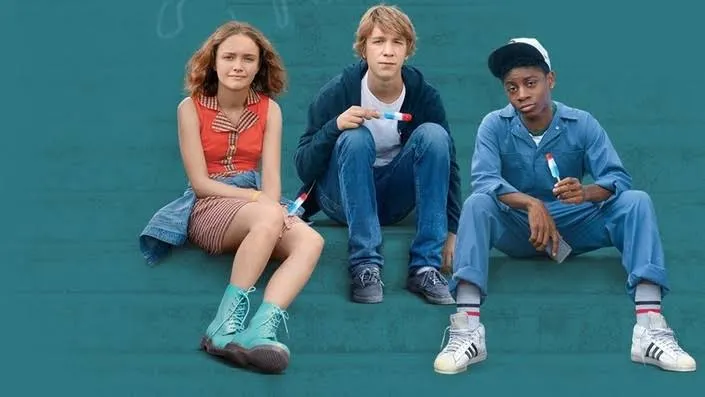
Published in the middle of a long line of life-affirming post-John Green young adult fiction, Jesse Andrews’ 2012 novel inherited an uphill fight to stand out amongst his contemporaries.
Its film adaptation would find itself in a similar position.
Another (seemingly) hopeful indie high school drama meant (seemingly) for Sundance panels and sensitive Spotify-scrolling teenagers only. You can't say it's not not that, but Alfonso Gomez-Rejon's lively directorial style and devotion to standing turned it into something more: a love letter.
Yes, most noticeably a love letter to cinema, with Jesse Andrews’ novel also bursting at the seams with cinephile references on every page.
The film takes this passion to new heights with its strong commitment to visual and editorial flourishes- much like any DIY, cinema-literate baby director (such as the film's protagonist) would be aching to pull off.
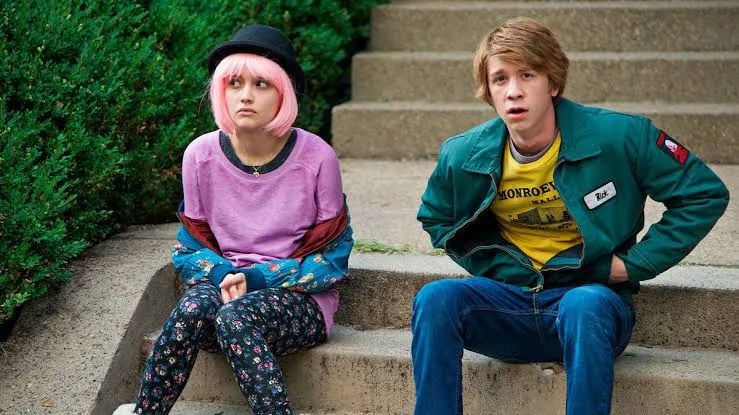
Numeours jump-cuts, geometric framing, upside-down shots, whip-pans, needle drops galore and in-story uses of stop-motion animation are just a few of the tricks of the trade the director uses to design an experience meant to be seen through the eyes of its eager film-crazy protagonist.
The intent to turn a book about movie into a movie about movies wasn't Gomez-Rejon's only desire. That brings us to the acknowledgement of a deeper, lesser known love letter hidden within: one to his deceased father.
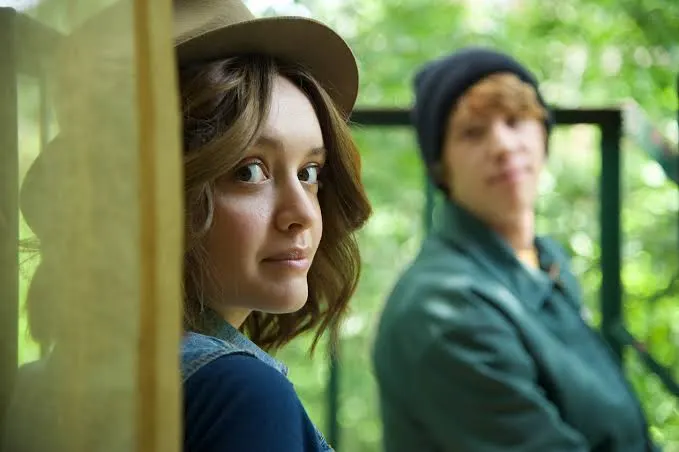
“I made it for other reasons - to work through the grieving process and do it through comedy…” Alfonso said when interviewed by The New York Times.
Relatively early in the grieving process and in need of an outlet to make sense of it all, Gomez-Rejon saw the source material as his own personal conduit. In this sense, the usual function of film adaptations as a soapbox for its source material doubles as a confession for the artist who adapts it.
This is what makes Me and Earl and The Dying Girl the inimitable work that it is. It's not only an ode to cinema, but an ode to cinema as an ode to everything dear to the hands involved in it.
The Third Man (1949) Dir. Carold Reed
“A person doesn't change just because you find out more.”
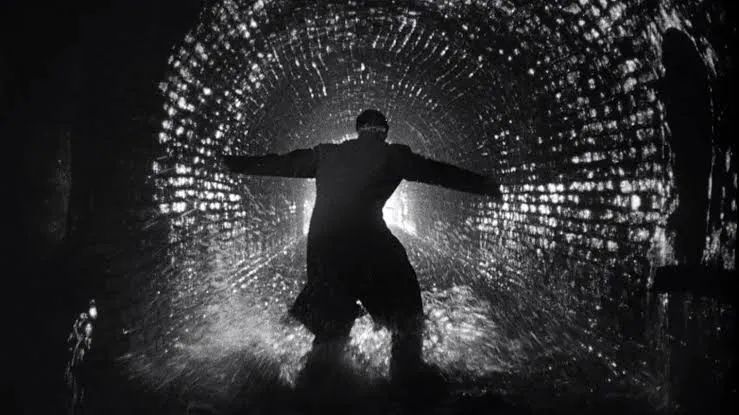
Before anything's said, it's important to note that The Third Man is a completely original work.
No, I'm not taking you for a joke by including it here still. Its category as an “original” work becomes muddied with asterisks marks as soon as you're informed on how Carol Reed's masterpiece brought itself to life.
First of all, it's not solely Carol Reed's masterpiece. Anyone who's watched or at least done their homework on The Third Man is aware of its script as the sole work of Graham Greene, one of the 20th century's most acclaimed fiction authors.
His dip into feature films involved writing a completely new story instead of adapting oneof his own. Regardless, he penned down a novella version of The Third Man to figure out the tone and direction he wanted it to go down.
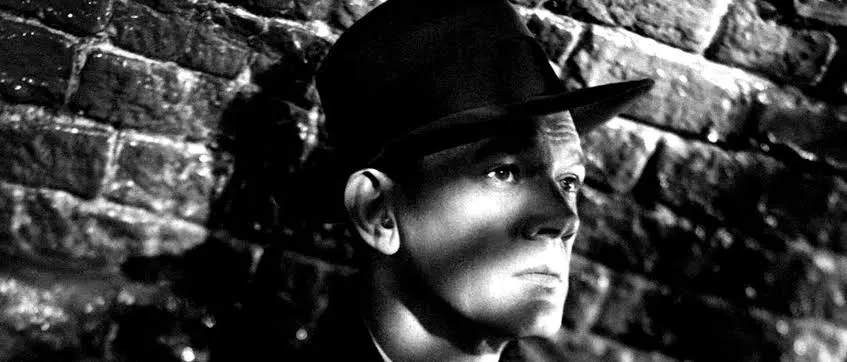
After this came the screenplay, which still stands tall as one of cinema's greatest and most sophisticated scripts seventy years past its creation.
His novella was never meant for public consumption and yet found its way to numerous old bookshelves well after the film's theatrical premiere.
An adaptation in hindsight, one might try to term it, it's a fantastic execution of its writer's original idea nonetheless. While Reed didn't need to do much to fix up Greene’s work, the film's ending shows Carol's own authorial strengths set apart from the strength of the novella.
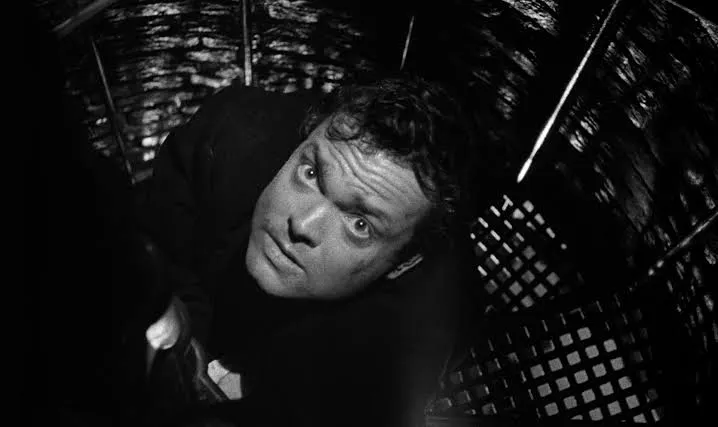
Reed and Greene argued around the film's ending, which turned out more pessimistic than the novella ever intended to be. Most audiences loved Reed's ending, which is still championed as one of the best film endings of all time.
"One of the very few major disputes between Carol Reed and myself concerned the ending, and he has been proved triumphantly right." Green admitted.
The Third Man is part of a lucky few of adaptations which benefitted from both a talented original creator and a well-intentioned director to dutifully rework it.
Pather Panchali (1955) Dir. Satyajit Ray
“Lord, the day is done and evening falls. Ferry me across to the other shore...”
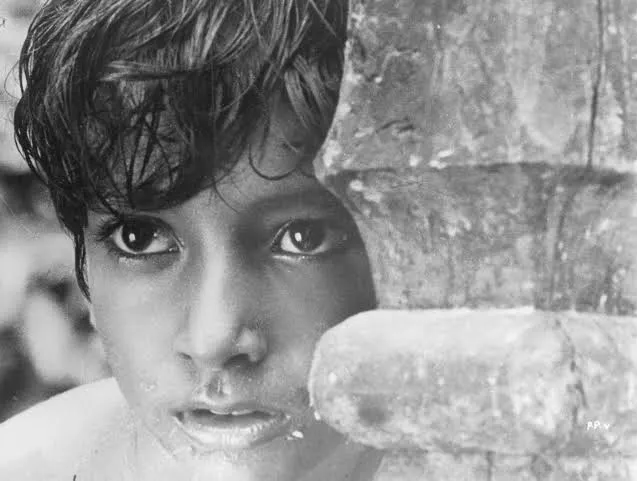
Satyajit Ray, a well-respected commercial artist and graphic designer in Calcutta, had always been in love with film.
A passionate patron of Jean Renoir and Italian neorealist films to name a few, Ray dreamt of taking a shot at filmmaking for a number of years.
His passion project was an adaptation of Bibhutibhushan Bandyopadhyay's “Pather Panchali” which finally went into production after the encouragement of several of Ray's friends including Jean Renoir himself.
The story of its protagonist, Apu, and his elder sister Durga amid the harsh realities of rural poverty was clearly one that Satyajit Ray visualized more than read, as he went to work on the film without a screenplay or any form of scripting at all.
Pather Panchali used Ray's drawings, notes and eventually a storyboard as its basis for production.
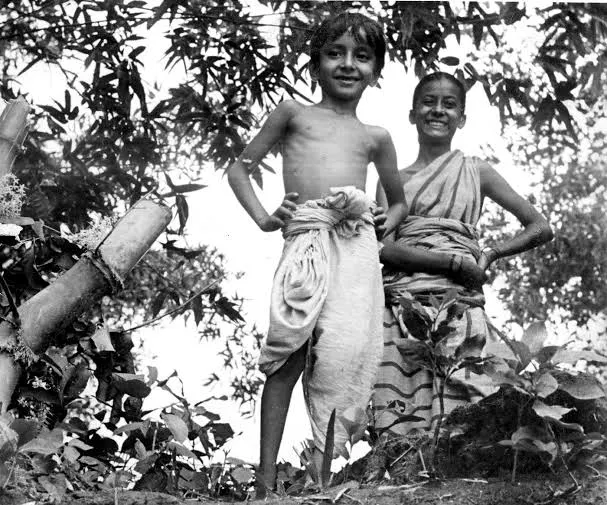
Most of the crew consisted of first-timers, including Ray and cinematographer Subrata Mitra, who had never operated a film camera before.
The entire filming process was just as idiosyncratic and on-the-fly, as they continously ran out of money during filming and took breaks for Ray to gather money through graphic design jobs (he also pawned off his life insurance policy and gramophone records in the process).
The story of Pather Panchali's creation deserves many article on their own (thankfully many already have been written) but the focus of its spotlight here is Ray's personal, DIY approach towards film adaptation.
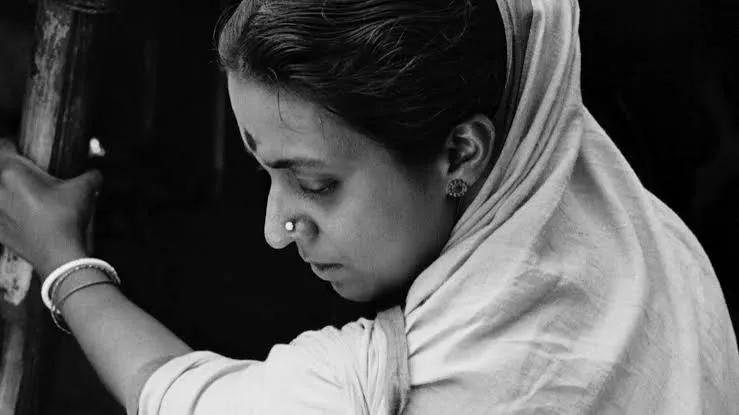
A first time filmmaker, Ray had the advantage of seeing his material through an unconventional lens, relying on instinct and his visual background as a graphic designer.
This scrappy way of filmmaking brought no disrespect onto the source, as Bibhutibhushan Bandyopadhyay's widow (he had passed before his novel was ever considered for the big screen) gave Ray filming rights through verbal agreements. Even the inception of the film was scrappy and detached from conventional industry practice.
The Wonder (2022) Dir. Sebastián Lelio
“It is not your job to question us. It is only to watch.”
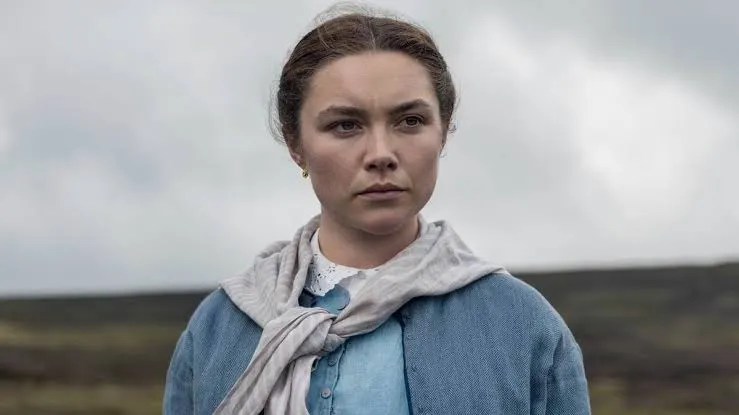
Sebastián Lelio's adaptation of Emma Donaghue's 2016 novel is about too many things to list.
The Great Famine, religuous fanaticism, motherhood, snake-oil merchants, the tensions 1800s England and Ireland and the painstaking battle between one's own moral and institutional duties.
I've written and talked about this film to an annoying degree to friends and the open void of longform Whatsapp statuses. It's a criminally underrated modern classic which will surely make its way back on this account in the near future.
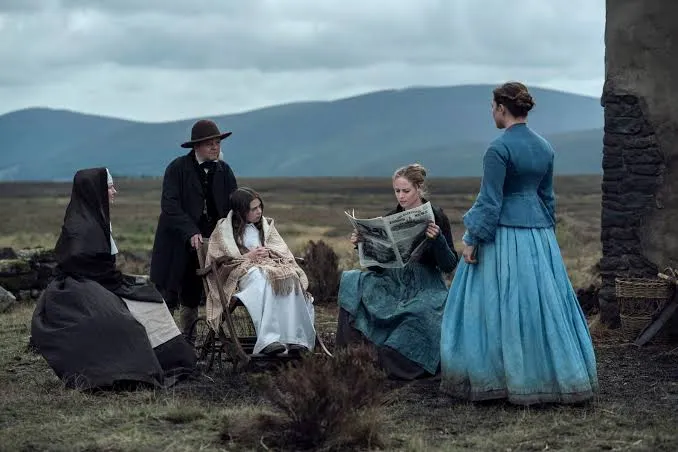
I'll only speak on the manner of its execution here, in fact most of the film won't even be alluded to in this article.
Lelio's approach to the period piece novel is mostly conventional and wouldn't add much to our conversation on fresh, challenging ways to relate films and their source materials.
However, its very unique opening (which had its own viral moment online for even less time than most victims of today's five-minutes-of-fame) is what awards its placing here.
A film about a mysterious young girl whose family claims to be able to go months without eating, The Wonder works as a story about stories, leaving us unsure of the family's claims as miraculous or a deceptive tale meant only to gain sympathy and fame.
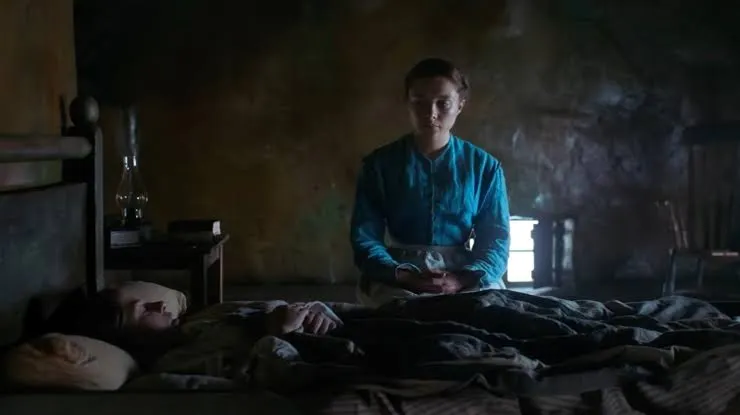
Its characters battle with truth and fiction constantly, all within a mostly fictional world the audience has the privilege of seeing on all sides. With this kept in mind one starts to understand why The Wonder begins on a half-built film studio, with a voice monologuing about stories and belief.
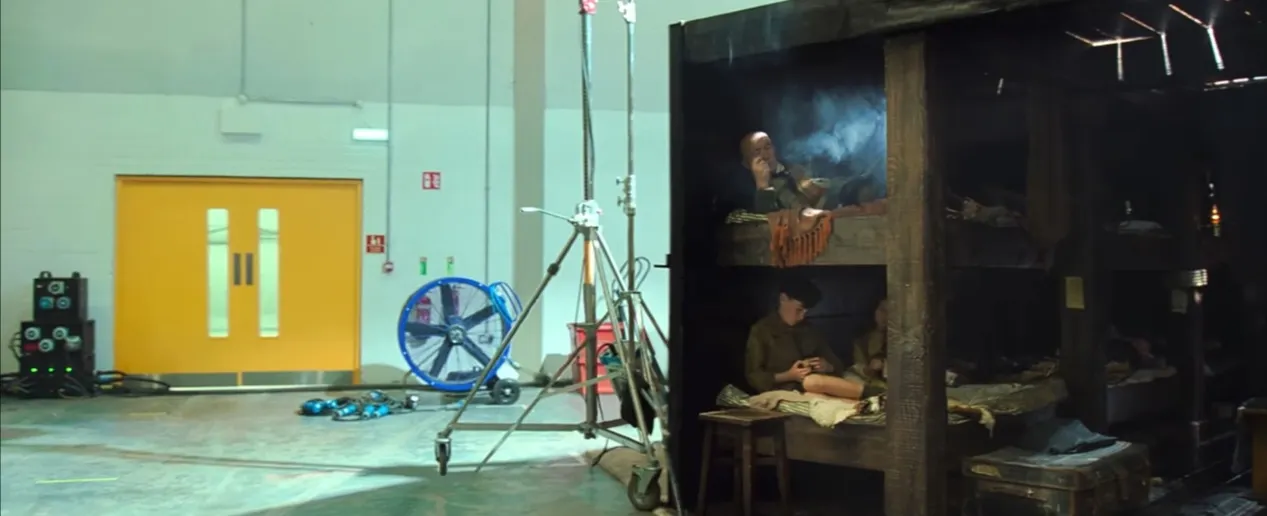
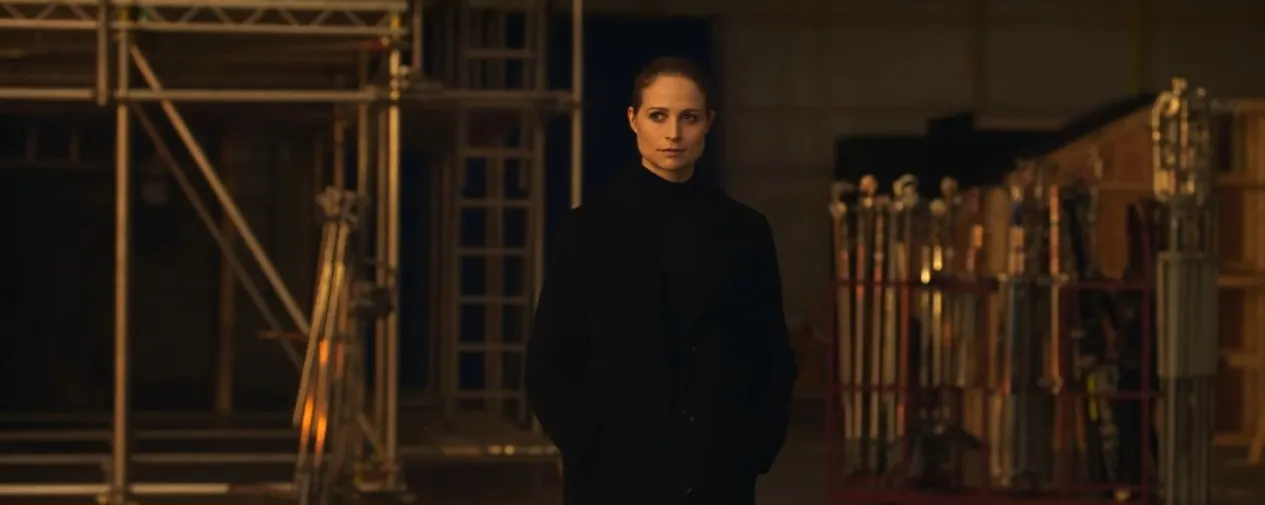
Obviously, this doesn't exist at all within the novel. Lelio adds this as his own filmic prologue to hammer onto the theme of fiction vs reality.
“I saw it as important for the film itself to declare the ‘game’ and expose the ‘game’ and say “You will be exposed to the powerful mechanisms of fiction” “ Lelio explained in an interview with Netflix.
To this extent the film incorporates what the novel cannot, which isn't a critique of the latter but a justification for the former. Lelio interprets what he sees as the novel's core message and expands on it through film's ability to disassemble itself due to its incredibly fragmented way of existence.
Skeletal sets, in-frame film equipment and a self-aware voiceover narrator turns The Wonder into a statement on film's nature of deceipt and tragically strong links to belief.
Norte, The End of History (2014) Dir. Lav Diaz
“How can I be at peace with the world's shallowness?”
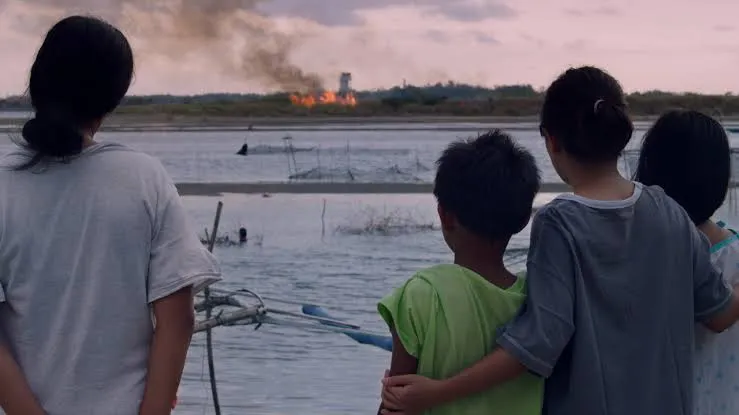
Norte, The End of History, by official standards and definitions on websites, is an original piece of fiction.
And no, this won't be another segway into technicalities around the birth of its script such as The Third Man, but those who've seen Diaz's four-hour drama and hold worthy knowledge on Fyodor Dostoevsky's work would see it as a unique, Filipino reimiganing of the book Crime and Punishment.
Just as philosophically dense and full of uncomfortably grim, Diaz takes the ideas from the classic novel and shoves them into a modern Filipino frame.
Class, gender, family, insanity, crime and the Phillipines’ polictial history are all meditated on by Diaz, proving the usefulness of taking one's work and actively applying it to their own national and temporal situation.
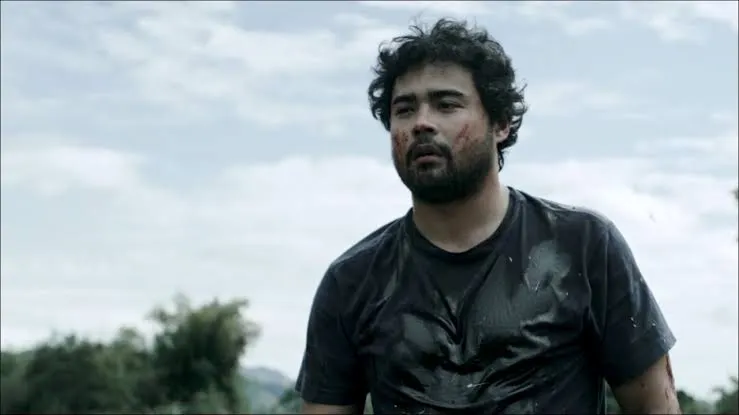
In doing so, the artist makes sense of their own place in history. The source material becomes invigorated in retrospect, giving audiences the chance to view it on a wider plane.
There's obviously a noticeable political, visual and cultural difference between 19th century Russia and 21st century Phillipines.
The aim of adaptations such as Norte aren't exactly to show similarities between experiences on an external level but to explore relationships and hierachies between people which rear their head no matter their political or cultural settings.
This leads to both hopeful and heartbreaking realizations. Exploitation finds itself in every system, but so does love, hope and unyielding human connections.
The ‘final draft’ of the work becomes something much more recent and wider; our collective interpretation becomes a contemporary version, not any more conclusive but aided by worthy, previously nonexistent context.