Found In Translation: The Film Adaptation and Its Discourse
By Tino Hluyo · · 3 min read
It is a cold and unbearably quiet night as my thumbs fidget and flick onto a blank Notes page on the third of July- a night even colder than what one usually expects from the date.
I made a promise that, under the banner of 24th Frame, I would write up an essay (a much more mature way to call these longform rants) on a topic relatable to either our upcoming film or the month's theme in which I find myself in (this month being Shakespeare adaptations).
I knew from the beginning my first would revolve around adaptations, both as an artistic discipline and a social phenomenon.
What froze me from applying any effort onto this prompt until now was an unresolved confusion regarding what makes up an adaptation. I am referring to its "values" or rather what audiences hold as necessary values towards adaptations, fairly or unfairly.
Fidelity comes up in every discussion towards the issue (read Chapter 5 of Thomas Leitch's "Oxford Handbook of Adaptation Studies" (as this is Substack, I can cite as informally as I want)) and almost always with unending, furious contention. Fidelity, or how accurate an adaptation is to its source material, seems like an objective measurement until you ask anyone familiar with the material what they view as accurate or inaccurate.
Even if there were an objective way to tally up accuracies and inaccuracies, judging an adaptation through this tally chokes off a vast range of creative angles in which we might engage with the source material. Even amongst popular and well-regarded critics, most demand an adaptation to "celebrate" an original work; to contain "what made the original so great".
Soft-hearted moralism is what I'd call it, but the essay forces me to elaborate on my own insults.
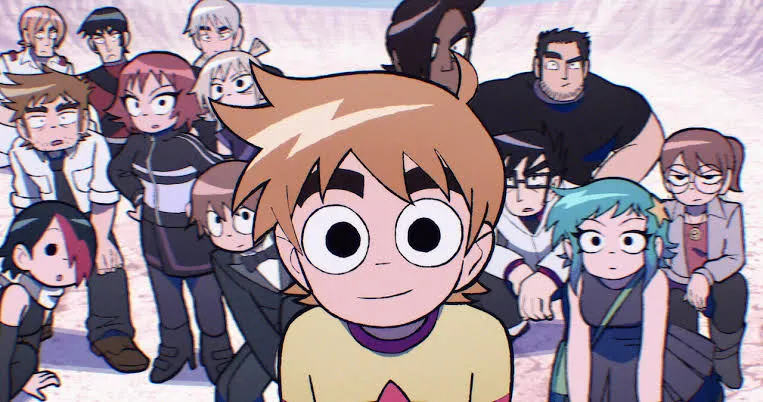
When you push past a prescrpitive obligation to keep true to an original work's values, one discovers the potential to critique, reform or even fully object to what the material had originally tried to proclaim. "Scott Pilgrim Takes Off", one of my favourite TV shows, certainly holds admiration and respect towrads both Bryan Lee O'Malley's and Edgar Wright's seperate contributions to our heterglossic idea of what makes "Scott Pilgrim" great. On the other hand it refutes or at the very least reworks numerous aspects of its material.
Plot, of course, is what mainly receives such treatment, but what comes off from that on an ideological level is much more interesting. The show reshapes what we think of its main players and formerly underutilized bit characters into a new, more personal canon. While I would never say "Takes Off" is wholly against the older iterations of Scott Pilgrim, it certainly doesn't waste any consideration on demands of fidelity.
"Canon" is also a popular and hotly contested topic within adaptation discussions (eg: Star Wars “fans” for the last twenty or so years). The idea that adaptations, sequels, prequels and spin-offs all branch off from one unshakeable source quickly loses its own certainty when you look at comic book movies.
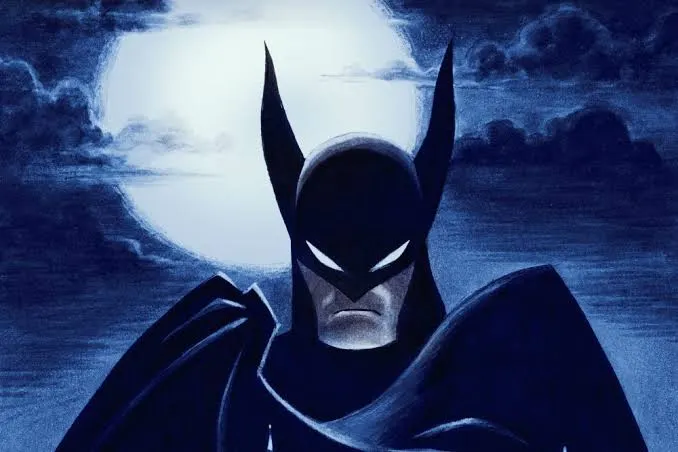
Even the most intense and worldly comic book enthusiast would trip over their own legs in connecting an adaptation to what should be its "canon". We can't ignore the presence some adaptations have managed to establish as new, complimentary "canons" to their owj source material. Look no further than to Richard Donner's "Superman" (1978) and its place as a measuring stick not only to other Superman films but countless comic books that came after it (Richard Berger goes over this expertly in his essay " ‘Are There Any More at Home Like You?’: Rewiring Superman").
Source material is merely just that at the end of the day: material. We abide to many other forms of reimagination that take place between a practitioner and their material. We abide with the white blank sheet, which used to be bark. We abide with the common house, which used to be separate, uncountable materials plucked with power fromm the earth.
We even abide with the medium of film itself: an adaptation of its own screenplay, interpreted by its players and director. In this sense, every film is an adaptation, not only by its creators but in the mind of its audience that adapts the experience towards their own views of the world.
...
Okay, with no idea on how long people's attention spans are or how much I have yet to pick out of my own thoughts, I'll end our first essay here. There will surely be second part to this with how wide, vague and continously contested the topic of adaptation studies are.
Also:
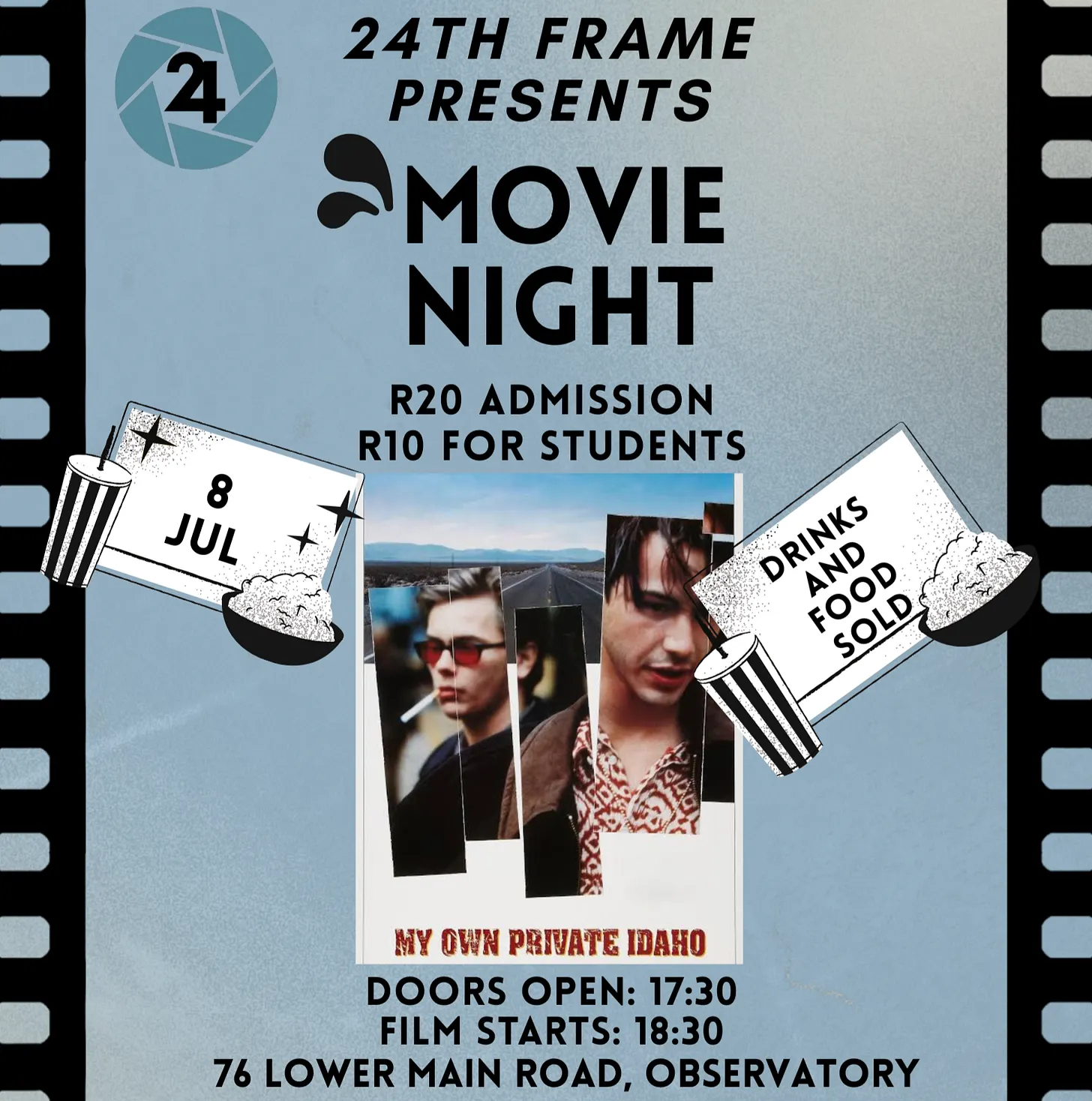
Come and watch our showing of “My Own Private Idaho” (1991) at Obz Books on the 8th of July at 18:30. Visit our Instagram for more details.