
Weapons: The Dark Soul of America
The suburbs are a horror film before the camera even starts rolling
By Tino Hluyo · · 3 min read
One can always afford the privilege of pointing out that most of history repeats itself. Whether by the ensuing month, year, decade or millennium, patterns find their renewal through the unending cycles of time. Allow the required time to pass, and what at first seemed miraculous finds a secret sibling in deep pockets of chance and coincidence.
With that being said, America is screwed in a way I might dare to describe as unequeal to any dying empire, recent or ancient. And it's not difficult to assess why. Of course, technology plays its part in a way only recently afforded by social media, new ways of automation and unbearable forms of corporate digital surveillance, but this began long before these concerns became, well, concerns.
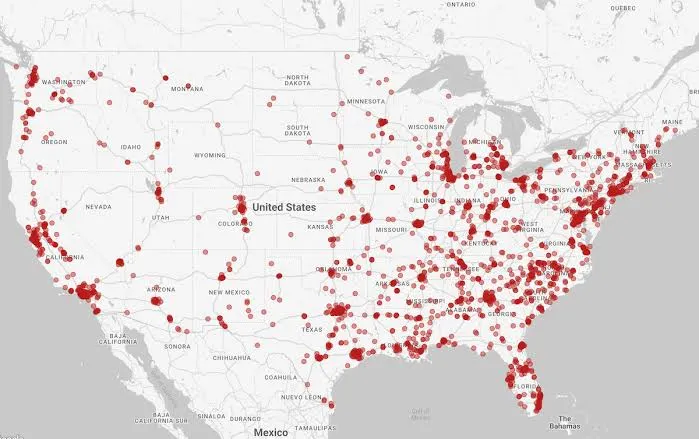
Mass shootings, currently, are an issue so commonplace, so entwined within every aspect of American life that you might forget to see them as issues, and instead a sleeping, non-negotiable condition of everyday ongoings.
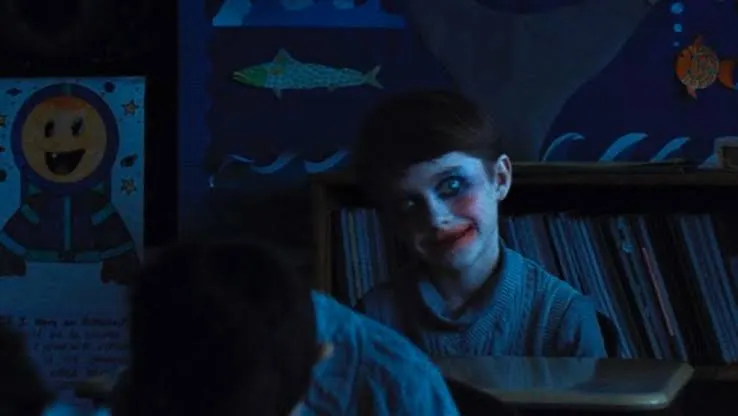
This brings us to Weapons, a work of fiction set in a town we need not know much of (besides what's necessary to its plot), concerning characters who, while very well-written, present as symbols more than anything else.

The intimidating, military-style, nightmare-at-your-sixth-grade-soccer-game dad, the dipshit cop whose reputation could not even receive the “heart of gold” band-aid due to both his flatness and dimness, the meek but passionate teacher who cares for her children in a way incongruous with board regulations, all recurring characters of the average film/TV suburb.
But one immediately senses how anti-social, how unpleasant these players are to each other, compared to the suburban tales of old found in most American products of the 21st century.
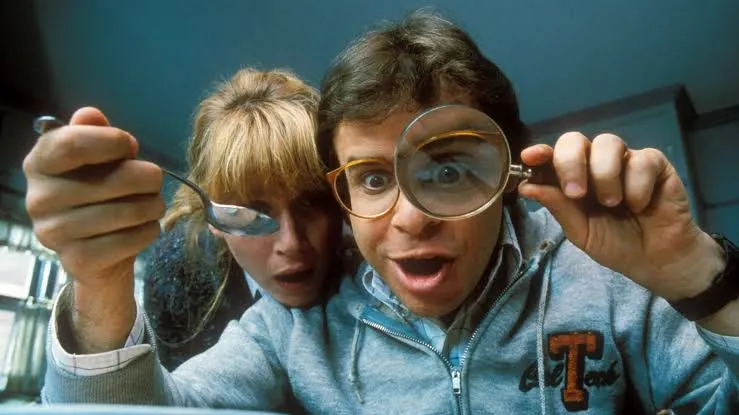
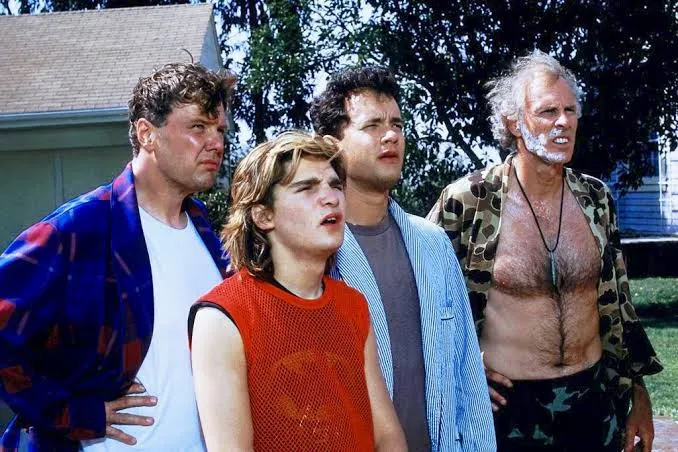
Now, I won't even begin to defend the suburbs as a place that felt cordial, cohesive and connected in the social sense, otherwise I'd be arguing against the very function they inhabit. My point, instead, is that Weapons portrays the suburbs without any necessitation to lie, coddle or affirm our assumptions.
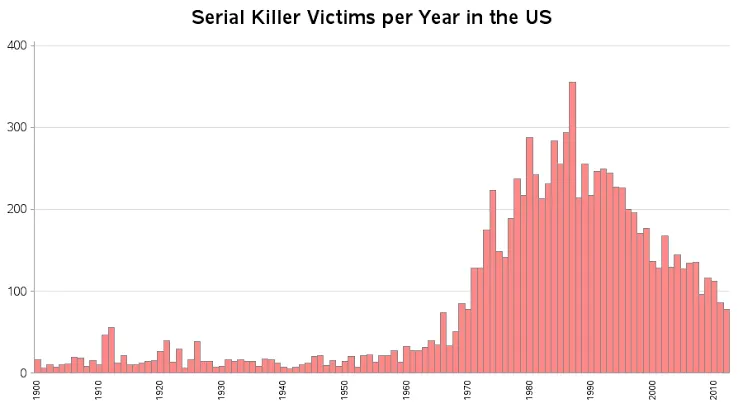
The suburbs, now haunted by a rampant deluge of daily mass shootings and figures that lurk in the dark (a legitimate concern when you consider the rise of serial killers post-Vietnam which never fully retracted fifty years afterwards) are unending packs of sardines squished right next to each other but with no intention to connect.
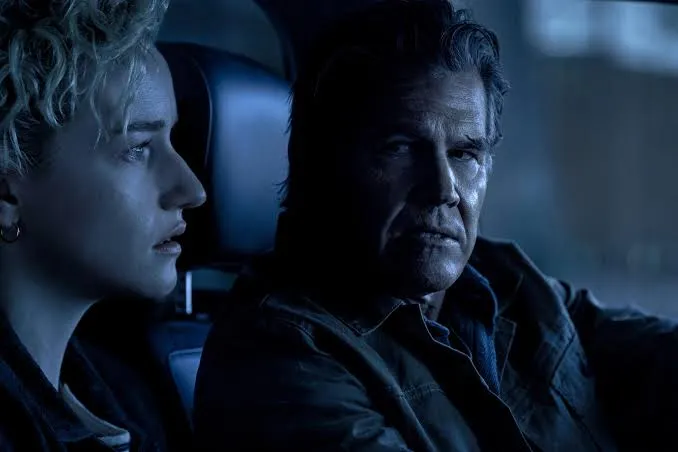
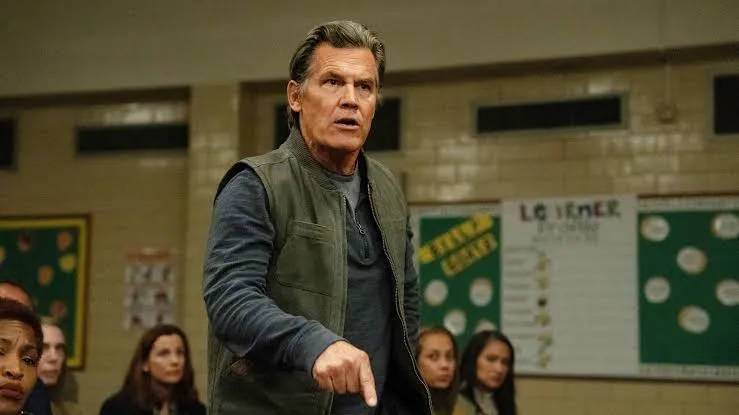
Archer Graff, a parent of one of the children who mysteriously ran out of their homes in the dead of an an otherwise ordinary night, does not even name his child's teacher, Justine Grady, during their parent-teacher meeting (despite her being the prime suspect of her homeroom's disappearance).
Now, I do believe he's aware of her name, even if it weren't through his child mentioning it in passing but through the journalistic mania which took place after the children ran away. His reference to Justine through only the word “her” is a deduction of her identity. Before this tragedy, she was meant to only be another employee, caretaker and a medium of service.
Justine is a worthy protagonist because she's an idealist. In a post-Columbine world, she desperately wants to see connections between students. She checks in with bullied kids, offers to console those in need of it and tries to keep with Alex, the one child who didn't run away, despite the protests of her superiors. Nonetheless, her pursuit of connection is what saves the day, as it leads to her and Archer discovering the true cause of their tragedy.
The suburbs are haunted by objects of isolation and enforcement: Ring cameras litter the streets and newspapersare plastered on hovering, tall windows. The Ring camera is the newest mascot of these fascist, paranoid, suburban strongholds, they're even used a plot device which ironically conjoins these dispersed homes.
Put simply, Weapons portrays an idyllic side of America constantly romanticized, but now with all rose-tints gone and a grim honest take on how average suburban life is already as intimidating and cold as the average fictional horror film.
Now, what's another idyllic form of living so constantly romanticized in American media? To answer for you, it's a mix of differing, sand-littered small towns we like to call “Americana”.
That will come up in our next post, an analysis of Ari Aster's Eddington, which explores yet another dark side of modern America (seems like this country has a lot to work on!)
Subscribe, restack and show some love for every 24th Frame post. And come down to our film nights every Tuesday night at Obz Books!